
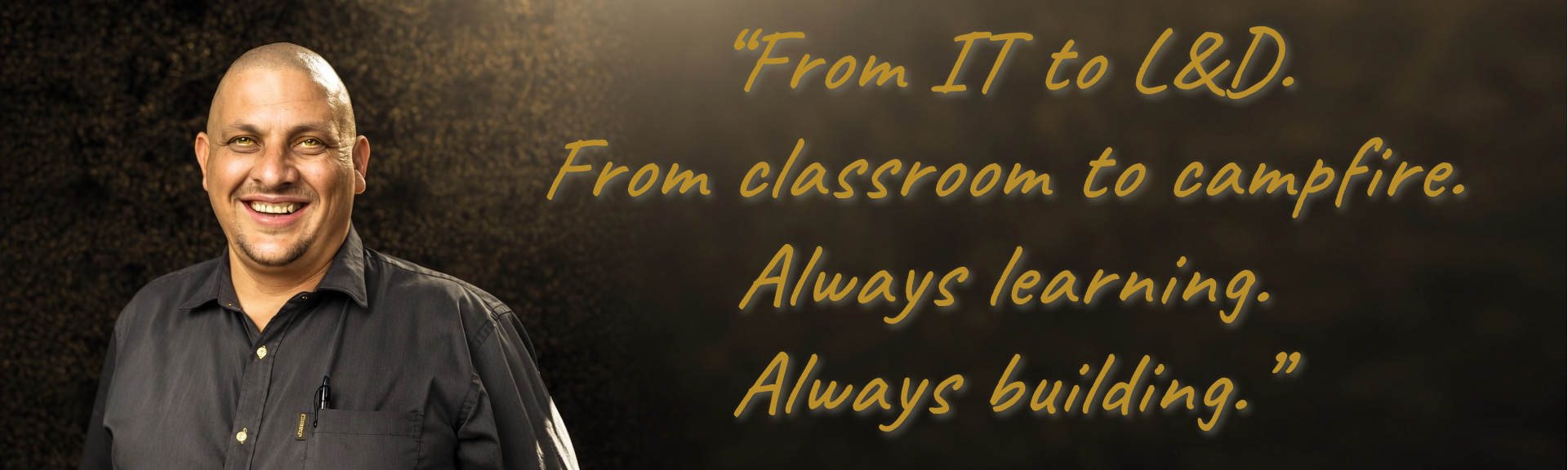
Earlier this year, I was given a meaningful task: to travel to all our outlying depots and ensure that the training equipment was in working order. But more than that, I was there to ignite something deeper, to encourage our employees to take up the challenge of learning, to better their lives through study and personal growth.
It was while reviewing my notes from these visits that I found myself thinking about Beauty.
Beauty is a cleaner at one of our more remote sites. Her command of English is limited, it’s her third language, and she’s a gentle, humble soul, content in her role as a general cleaner. Her formal education is basic, and she doesn’t aspire to climb the corporate ladder. She’s grateful for the opportunities presented to her, but the computers in the learning centre intimidate her. The idea of further study? Absolutely daunting.
I wish I could say that Beauty’s story is unique. But among our nearly 900 employees, I’m discovering more and more individuals facing similar challenges. For many, the barriers to learning are not just educational: they’re emotional, cultural, and deeply personal.
Another major hurdle is time. Many employees are reluctant to sacrifice their personal time for training. In their view, learning is a work-related activity and should be done during work hours. The idea that these learning opportunities could unlock doors to greater personal and career success often doesn’t resonate, at least not immediately.
The divide becomes stark when we look at the statistics from our learning centres. The more educated an employee is, the more likely they are to engage with the available learning solutions. It’s a sobering reality.
This challenge is not isolated to our organisation. It’s rooted in a broader systemic issue. The basic education sector in South Africa continues to lower academic standards to improve Matric pass rates. Meanwhile, teachers struggle in overcrowded classrooms, trying to reach learners who are often disengaged and distracted by screen time. Many children fall through the cracks, dropping out due to social, cultural, or economic pressures. They dream of office jobs, but end up in blue-collar roles, if they’re lucky enough to find work at all.
So, how do we address this as adult educators? How do we begin to reverse a lifetime of educational disappointment?
It starts with empathy. With the understanding that not everyone has had the same start in life. For some, just walking into a learning centre is an act of courage. We need to meet people where they are, not where we wish they were.
We must also rethink how we present learning—not as a corporate requirement, but as a personal opportunity. We need to create safe, welcoming spaces where employees like Beauty feel seen, supported, and empowered. Where learning is not a threat, but a gift.
There’s no quick fix. But every conversation, every encouragement, every small success story matters. And if we can help even one person take that first step toward growth, then we’re doing something truly worthwhile.